Early Life of Isaiah Mays: Born Into Slavery in Pre–Civil War America
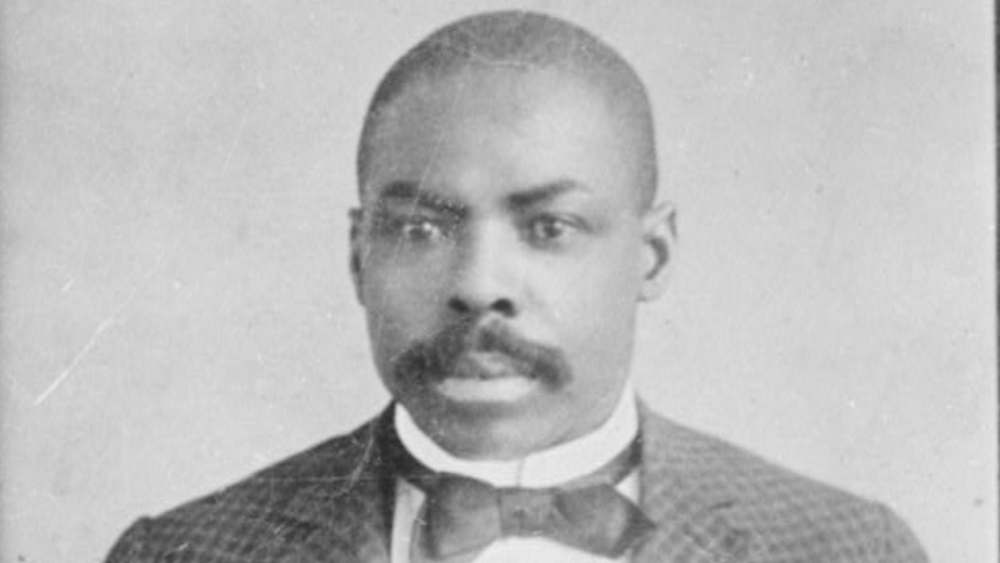
Isaiah Mays’ life began in bondage, in a country that did not yet recognize him as fully free, let alone equal. Born in 1858, just a few years before the Civil War, Mays entered the world as an enslaved Black child in the United States. By the time he reached adulthood, the nation had changed on paper—but not always in practice. Opportunities for Black Americans remained scarce, and respect was hard-earned, especially for those who wore the uniform of a country that often denied them dignity.
Enlisting in the U.S. Army: Isaiah Mays and the Buffalo Soldiers
Mays enlisted in the U.S. Army and became a member of Company B, 24th Infantry Regiment—one of the all-Black units known as the “Buffalo Soldiers.” African American enlisted men, many formerly enslaved or children of enslaved parents, primarily made up these regiments. They served in some of the harshest and most dangerous postings in the American West, often under white officers and amid widespread discrimination.
The 24th Infantry Regiment in the Arizona Territory
Stationed in the Arizona Territory, Isaiah Mays served during the period commonly referred to as the “Indian Wars,” a time of violent conflict, forced displacement, and deep injustice toward Native American groups. The unforgiving frontier tested soldiers with extreme heat, rugged terrain, and constant danger, as they escorted supplies, guarded settlements, and defended Army payrolls from bandits.
The Wham Paymaster Robbery of 1889: A Defining Moment of Heroism
It was during one such escort mission that Isaiah Mays would distinguish himself in a way that history could not ignore. In 1889, bandits ambushed an Army paymaster transporting soldiers’ wages in what became known as the Wham Paymaster Robbery—one of the most daring frontier heists of the era.
Wounded but Unyielding: Isaiah Mays’ Courage Under Fire
Corporal Isaiah Mays fought on despite being wounded, refusing to abandon his post during the attack. Despite his injuries, he continued fighting, helping repel the attackers and protect fellow soldiers and civilians. His bravery under fire exemplified the discipline and determination for which the Buffalo Soldiers became known.
Medal of Honor Recipient: Recognizing Isaiah Mays’ Valor
For his extraordinary actions during the Wham Paymaster Robbery, Isaiah Mays was awarded the Medal of Honor—the highest military decoration in the United States. He became one of only 18 Black soldiers to receive the Medal of Honor for service during the Indian Wars, a rare and powerful acknowledgment in an era marked by racial inequality.
Life After Military Service: A Decorated Hero Forgotten
Despite his Medal of Honor, Mays did not enjoy widespread recognition during his lifetime. Like many Black Veterans of the 19th century, he returned to a society that offered limited opportunities and little respect. When he died in 1925, they buried him in an unremarkable Arizona grave, overlooking his heroism.
Rediscovering a Forgotten Hero: Honoring Isaiah Mays’ Legacy
For decades, Mays’ story remained largely unknown. Historians, veterans’ groups, and dedicated advocates brought his service back into the national conversation, forcing a long-overdue reassessment of his place in American military history.
Reinterment at Arlington National Cemetery in 2009
In 2009, more than 80 years after his death, the nation honored Corporal Isaiah Mays by reinterring him at Arlington National Cemetery. He now rests in Section 1, Grave 630-B, among the country’s most honored military heroes—a long-overdue tribute to his sacrifice and service.
Why Isaiah Mays’ Story Matters in American History
Isaiah Mays’ life forces us to confront difficult questions about recognition, race, and remembrance. His journey—from enslavement to Medal of Honor recipient—highlights the courage of Black soldiers who defended a nation that often failed to defend them.
Remembering Corporal Isaiah Mays: A Legacy of Courage and Honor
Today, Mays stands as a powerful symbol of resilience, bravery, and delayed justice. His legacy proves that true heroism endures over time and calls on us to acknowledge, honor, and remember it.