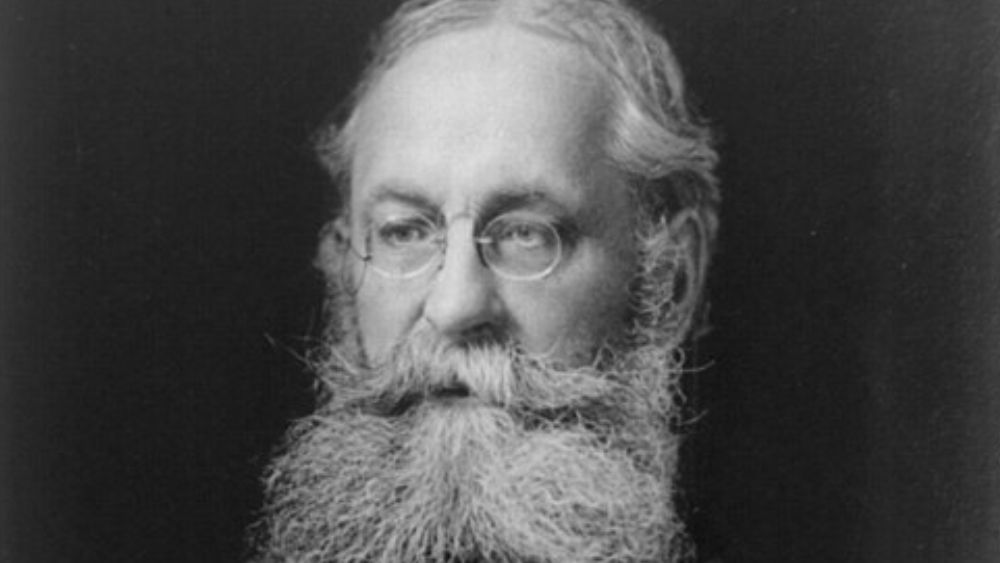
Maj. Gen. Adolphus W. Greely, born in 1844, was a man whose life combined duty, courage, and curiosity in a way few could ever imagine. His story is one of resilience and dedication, stretching from the battlefields of the American Civil War to the frozen expanse of the Arctic. And later, into the halls of science and exploration. Greely’s life reflects the spirit of an era when America was defining itself. Also, individuals like him helped shape the country’s future—both on land and in the skies.
Early Military Career and the Civil War
Greely’s military journey began in a time of great national upheaval. As the United States plunged into civil war, young officers were called to serve, and Greely answered. He commanded the 81st Regiment of the United States Colored Infantry, a unit composed of African American soldiers led by white officers. This was no small responsibility, as these troops were often subject to discrimination, harsh conditions, and dangerous missions. Greely’s leadership during this period demonstrated both his commitment to duty and his belief in the potential of his men, regardless of the societal prejudices of the time.
After the war, he remained in the Army, joining the Signal Corps, a branch responsible for military communications, including the construction of telegraph lines. These early assignments allowed Greely to combine his military discipline with technical expertise. He oversaw the development of telegraph lines that connected distant outposts, facilitating faster communication across the expanding country. This work not only enhanced the Army’s operational capacity but also contributed to the broader technological advancement of the United States.
A Scientist in Uniform
Greely’s time in the Signal Corps also sparked a lifelong interest in meteorology. He was a meticulous observer of weather patterns. He conducted research that would eventually help establish the United States Weather Bureau. At a time when understanding the weather was crucial for both military and civilian purposes, his work proved invaluable. Greely’s efforts helped lay the foundation for modern meteorology. He was part of a generation of military men who combined practical service with scientific curiosity. It shows that exploration and research could coexist with the duty to one’s country.
The Arctic Expedition: Triumph and Tragedy
Perhaps the most defining chapter of Greely’s life was his leadership of the Lady Franklin Bay Expedition to the Arctic Circle from 1881 to 1884. The mission was ambitious: to explore unknown regions of the far north, conduct scientific research, and establish a network of meteorological observations. Greely and his team faced challenges that would test the limits of human endurance.
The Arctic is unforgiving. Temperatures dropped to deadly lows, supplies were scarce, and rescue was uncertain. The expedition endured two grueling winters without being resupplied. Greely’s leadership during this time was critical; he managed to maintain discipline and morale despite extreme hunger, frostbite, and isolation. Tragically, many members of the expedition perished, but Greely’s careful planning and resilience allowed him and a few survivors to make it home. His Arctic journey was a testament to human courage and the pursuit of knowledge, even in the most inhospitable conditions.
Contributions Beyond the Army
Following his Arctic adventure, Greely continued to serve in the Army and contributed significantly to the scientific and exploration communities. He co-founded the National Geographic Society, an organization dedicated to the dissemination of knowledge about the world, which continues to inspire curiosity and exploration today. Through this effort, Greely helped create a platform where scientific discovery and public education could intersect, furthering his lifelong mission of exploration and understanding.
Even in retirement, Greely’s accomplishments did not go unnoticed. On March 27, 1935, coinciding with his 91st birthday, he was awarded the Medal of Honor. This is the United States’ highest military decoration. The award recognized not only his courage in the field but also his extraordinary endurance. It honored the leadership he displayed in the Arctic, a feat that symbolized perseverance against impossible odds.

Maj. Gen. Adolphus W. Greely: Legacy and Reflection
Maj. Gen. Adolphus W. Greely passed away in 1935, leaving behind a legacy that spans military service, scientific achievement, and exploration. He is buried in Section 1, Grave 129, a testament to a life lived with purpose and determination. Greely’s story reminds us that heroism comes in many forms—through leadership in battle, resilience in the face of extreme hardship, and a relentless pursuit of knowledge.
Greely’s life also reflects a broader narrative of American history. From the battlefields of the Civil War to the frozen Arctic, his experiences embody the expansion, innovation, and challenges of his era. He was a soldier who became an explorer, a leader who became a scientist, and ultimately, a figure whose contributions continue to resonate more than a century later.
Lessons from a Life of Exploration
What can we learn from Greely? First, the importance of perseverance. His survival in the Arctic, despite unimaginable conditions, teaches us about the power of endurance and leadership under pressure. Second, the value of curiosity. Greely’s dedication to meteorology and exploration shows that intellectual pursuits can enrich even the most disciplined military career. Finally, the impact of vision. By co-founding the National Geographic Society, Greely ensured that knowledge and discovery would extend beyond his lifetime, inspiring generations to come.
Greely’s story is not just about one man’s achievements; it is about the spirit of exploration and the courage to face the unknown. In a world that often values immediate results, his life reminds us that true accomplishment often comes from patience, preparation, and the willingness to endure hardship in the pursuit of a greater purpose.
Maj. Gen. Adolphus W. Greely remains a shining example of dedication and resilience. His life bridged the gap between military service, scientific discovery, and exploration. Through his work, both on the battlefield and in the frozen Arctic, he demonstrated the potential of human courage, intelligence, and perseverance. Today, we honor his memory, his extraordinary contributions, and the enduring lessons he left for all who dare to explore, lead, and discover.