
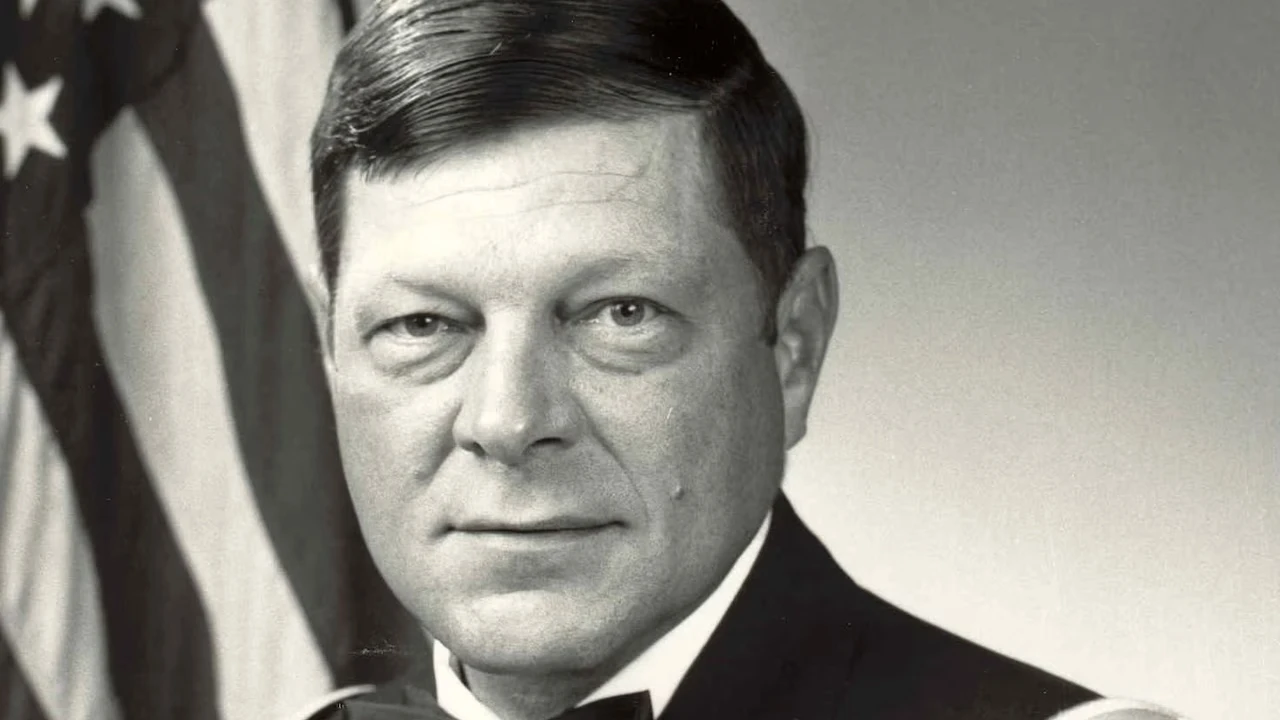
Most people hear “Medal of Honor” and picture a single moment—one act of courage frozen in time. But for Harold Arthur “Hal” Fritz, heroism wasn’t a headline. It was a series of choices made under pressure: keep moving, keep leading, and don’t leave your people behind.
Born in Chicago, Illinois on February 21, 1944, Fritz would eventually become a career Army officer, serving from 1966 to 1993 and retiring as a Lieutenant Colonel. But the story that defined him happened in Vietnam—when everything went wrong, and he stayed standing anyway.
From Education to the Army
Before war and command, Fritz earned a degree in elementary education from the University of Tampa. In 1966, he joined the United States Army from Milwaukee, Wisconsin, beginning what would become 27 years of service.
That detail matters. Teaching is:
- Patience.
- Responsibility.
- And, showing up again tomorrow.
Those traits don’t always look like “combat leadership” on paper—until you see them tested in the worst conditions imaginable.
The Day on Highway 13
On January 11, 1969, Fritz was serving as a first lieutenant with Troop A, 1st Squadron, 11th Armored Cavalry Regiment. His platoon was moving as a 7-vehicle armored column along Highway 13 to link up with and escort a truck convoy, when they were hit by an ambush—intense crossfire from a reinforced enemy force. The fight took place near Quần Lợi in Bình Long Province, South Vietnam, during Operation Toan Thang II.
Early in the attack, Fritz’s vehicle was struck and he was seriously wounded.
That’s the moment where many stories end—medevac, evacuation, survival.
His didn’t.
According to his Medal of Honor citation, Fritz climbed onto the top of his burning vehicle and began directing the defense. He ran from vehicle to vehicle, exposed to enemy fire, repositioning men, distributing ammunition, assisting the wounded, directing fires, and keeping morale from collapsing.
When the enemy tried to overrun the platoon, he manned a machine gun and inspired his troops to deliver the kind of fire that breaks an assault. When another enemy force advanced to within two meters, Fritz—armed only with a pistol and bayonet—led a small group in a charge that drove the attackers back and inflicted heavy casualties.
Even when relief arrived, he still wasn’t done. Seeing the supporting force deploying poorly, Fritz moved under heavy fire to direct their deployment against enemy positions, forcing the ambush to collapse.
And then—still wounded—he refused medical attention until his wounded comrades were treated and evacuated.
That’s not just bravery.
That’s leadership with a cost.
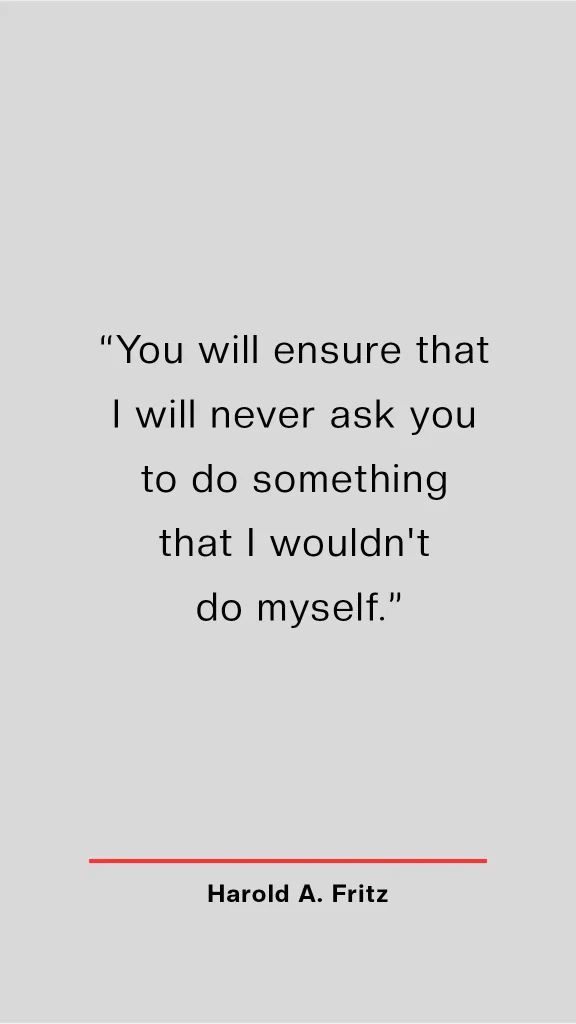
Medal of Honor—and a Career Built on Service
For his actions that day, Fritz was awarded the Medal of Honor and later promoted to captain. Over his career, he also received major awards including the Silver Star, Legion of Merit, Bronze Star Medal (twice, including “V” device), and Purple Heart (twice), among others listed in his biography.
He ultimately retired after 27 years in uniform, having reached the rank of Lieutenant Colonel.
Life After Combat
After the Army, Fritz’s service didn’t become a speech circuit identity. He continued to work with veterans—living in Peoria, Illinois, and working at the Department of Veterans Affairs’ Bob Michel Outpatient Clinic (as stated in the biography).
It’s a different kind of mission. Less dramatic. More daily.
And for a lot of veterans, that’s where the real work is.
Why Harold A. Fritz Still Matters
Harold A. Fritz’s story isn’t just “a man who fought hard.” It’s the example of what happens when a leader decides—while wounded, surrounded, and outnumbered—that the people beside him matter more than his own safety.
For veterans, that hits deep because it’s familiar in a way civilians don’t always understand:
- When everything is chaos, somebody has to become the calm.
- When fear spreads, someone has to set the standard.
- When people are hurting, someone has to stay last—so everyone else gets out first.
Fritz didn’t earn his legacy by chasing glory. He earned it by refusing to abandon responsibility—first in combat, then in the long years after.
That’s the kind of courage that doesn’t fade when the shooting stops.
Need support in Virginia?
Virginia Veteran and Family Support (VVFS) helps veterans and families connect with housing, financial assistance, healthcare, behavioral health services, and peer support. Learn more or request help here.






Harold Fritz was an American Hero we could all learn from. Great post!