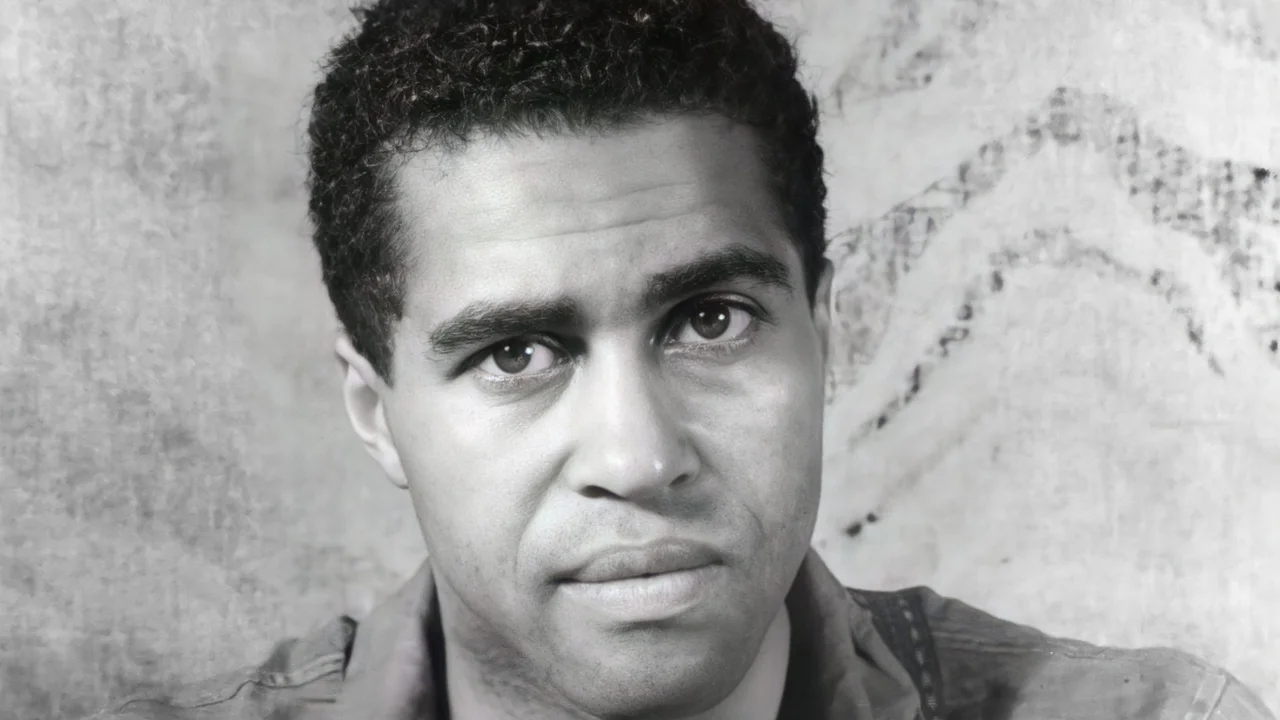
Some voices don’t just fill a room—they steady it.
For generations, James Earl Jones became that voice: commanding, unmistakable, and full of gravity. Audiences around the world knew him as the voice of Darth Vader and Mufasa, but his story begins far from Hollywood sound stages.
It starts with a child who could barely speak, a young man who found structure in uniform, and an artist who helped reshape what was possible for Black performers in America.
Jones (January 17, 1931 – September 9, 2024) was widely celebrated for his stage and screen work—and is one of the rare performers to achieve an EGOT (Emmy, Grammy, Oscar, and Tony).
But long before the applause, there was silence.
Early Life: From Mississippi to Michigan—and Years of Silence
James Earl Jones was born in Arkabutla, Mississippi, in 1931. When he was young, he was raised by his maternal grandparents on their farm in Dublin, Michigan.
That transition was painful—and it left a mark.
Jones developed a severe stutter and refused to speak for years. He later described those early school years as “mute years,” a period that lasted into high school.
A turning point came through an English teacher, Donald Crouch, who recognized Jones’s gift for poetry and pushed him toward reading aloud.
It’s hard to overstate the significance of that: the world’s most iconic voice once fought to say a single sentence.
The Military Chapter: ROTC, Commission, Ranger School
At the University of Michigan, Jones initially studied pre-med, then joined ROTC—and excelled. He later said he felt comfortable in the structure of the military environment and valued the camaraderie around him.
He graduated in 1955 with a BA in drama, but during the Korean War era, he expected he might be sent to fight.
Jones was commissioned as a second lieutenant in the U.S. Army in mid-1953. He reported to Fort Benning for the Infantry Officers Basic Course.
Attended Ranger School, and earned his Ranger Tab—a credential that speaks to discipline, toughness, and leadership under pressure.
He was assigned to Headquarters and Headquarters Company, 38th Regimental Combat Team, and his unit went on to establish cold-weather training operations at the former Camp Hale near Leadville, Colorado.
For many veterans, service becomes a dividing line in life: before and after. For Jones, the military also reinforced a theme that would define his career—structure building confidence.
From Stages to Screens: A Career Built on Presence
Jones’s career stretched across decades, with major performances on stage and screen. The next highlights that he gained international fame for voicing Darth Vader in Star Wars, and appeared in films including:
- The Man (1972)
- Claudine (1974)
- Conan the Barbarian (1982)
- Coming to America (1988)
- Field of Dreams (1989)
- The Hunt for Red October (1990)
- Sneakers (1992)
- The Sandlot (1993)
- The Lion King (1994)
- Cry, the Beloved Country (1995)
en-wikipedia-org-wiki-james_ear…
He wasn’t just “a voice.” He was a performer who could carry Shakespeare, drama, comedy, and blockbuster cinema.
Often with a calm authority that felt earned, not performed.

A Pioneer and an EGOT: Recognition That Matched the Impact
In an industry that didn’t always make room for Black actors—especially as leading figures—Jones became what the document calls “a pioneer for black actors in the entertainment industry.”
And the recognition followed.
The article notes Jones achieved EGOT status, placing him among a very small group of performers to earn Emmy, Grammy, Oscar, and Tony honors.
His legacy also reached Broadway in a historic way: the Cort Theatre was renamed the James Earl Jones Theatre, honoring the impact of his life’s work.
Why Veterans Recognize James Earl Jones
James Earl Jones wasn’t only an entertainment icon—he was someone veterans can understand.
- He knew what it meant to lean on structure when life felt uncertain.
en-wikipedia-org-wiki-james_ear… - He understood earning your place, step by step, through hard training and responsibility.
en-wikipedia-org-wiki-james_ear… - And he proved that a person’s beginning—whether it’s poverty, trauma, or even silence—doesn’t have to define the end.
en-wikipedia-org-wiki-james_ear…
For those who’ve served, his story reads like a familiar truth: the strongest people aren’t always the loudest at first. Sometimes strength is simply continuing—until the voice comes back.
Final Thoughts
James Earl Jones died in 2024 at age 93, leaving behind a body of work that shaped film, theatre, and the culture at large.
But his real legacy might be even simpler:
A kid who couldn’t speak grew into a Ranger-trained officer and one of the most recognizable voices in modern history.
And in doing so, he reminded the world that resilience isn’t always loud—sometimes it’s steady.
Need support in Virginia?
Virginia Veteran and Family Support (VVFS) helps veterans and families connect with housing, financial assistance, healthcare, behavioral health services, and peer support. Learn more or request help here.